ENGINE COOLING SYSTEM • APPLE VALLEY, CA
Radiator & Cooling System Repair in Apple Valley, CA
Engine overheating, coolant disappearing or temperature gauge running hotter than normal? Proline Auto Repair diagnoses radiator and engine cooling-system problems including coolant leaks, thermostats, water pumps, cooling fans, hoses and related electronic controls.
Before replacing parts, we determine why the cooling system is not controlling engine temperature properly.
Schedule Cooling System Diagnosis Call (760) 977-0414- Radiator Repair & Replacement
- Water Pumps & Thermostats
- Cooling Fan Diagnosis
- Coolant Leak Testing
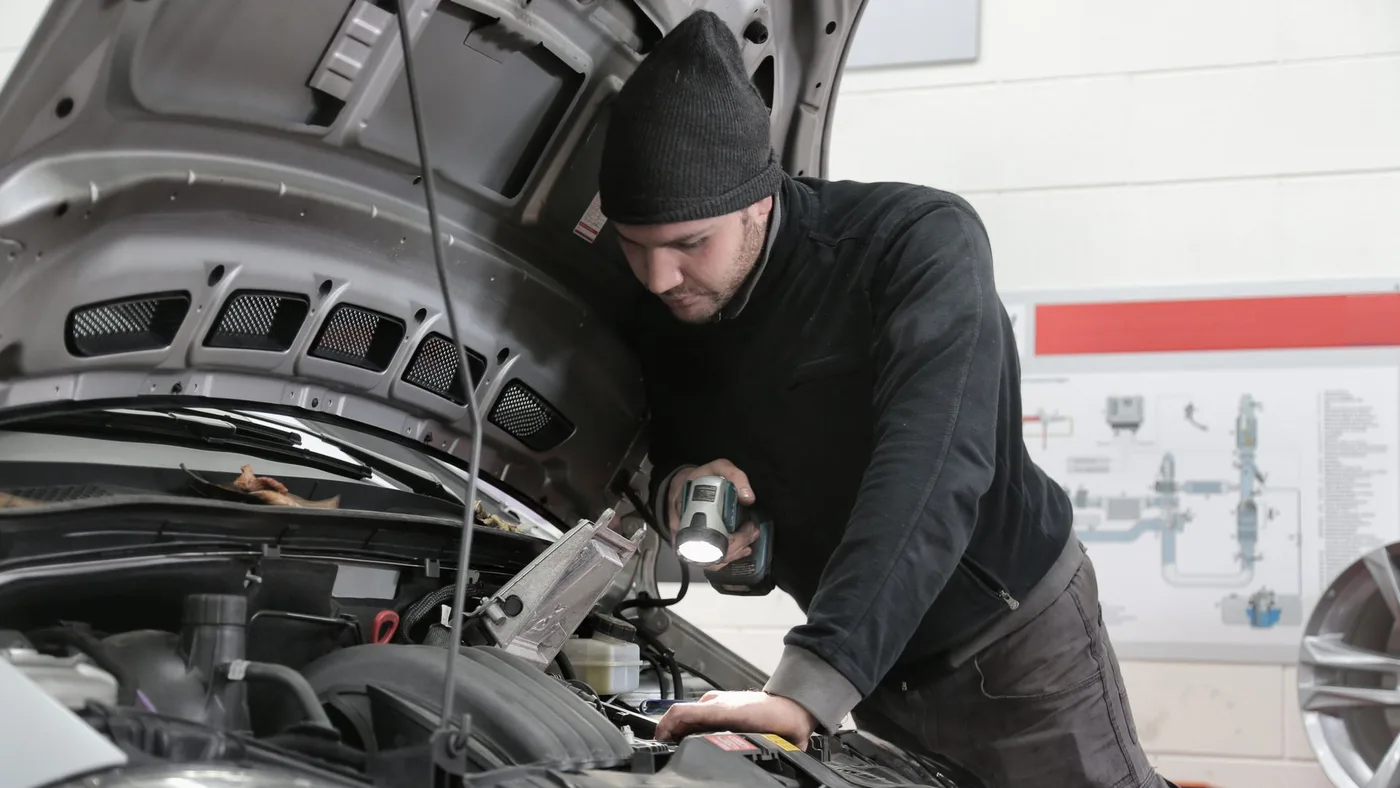
Overheating should be diagnosed before cooling-system parts are replaced.
Overheating can be caused by:
- Low coolant
- Coolant leak
- Thermostat problem
- Water pump failure
- Radiator restriction
- Cooling fan failure
- Electrical fan-control problem
- Radiator cap / pressure-cap issue
- Air trapped in cooling system
- Collapsed or damaged hose
- Coolant-flow problem
- Incorrect coolant
- Head-gasket / combustion-gas concern
- Engine mechanical problem
- Other vehicle-specific causes
Signs Your Cooling System May Need Repair
- Engine temperature gauge running high
- Overheating warning message
- Coolant warning light
- Coolant level repeatedly dropping
- Coolant puddle under vehicle
- Sweet coolant smell
- Steam from engine compartment
- Cooling fan not operating
- Engine overheats at idle
- Engine overheats while driving
- Heater blows cold while engine is hot
- Coolant residue around hoses or radiator
- Vehicle repeatedly needs coolant added
These symptoms can have different causes. Diagnosis is needed before recommending a specific part.
Vehicle Running Hot?
Schedule Cooling System DiagnosisEngine Overheating? Don't Keep Driving It.
If the temperature gauge moves into the hot range, an overheating warning appears or steam is coming from the vehicle, continuing to operate the engine can potentially cause severe damage.
If the engine is actively overheating, the safest next step depends on the situation and vehicle condition. Avoid opening a pressurized cooling system while it is hot.
- Cylinder-head distortion
- Head-gasket failure
- Engine oil breakdown
- Internal engine damage
- Damage to plastic cooling-system components
Never Open a Hot Pressurized Cooling System
Engine coolant can remain under pressure at very high temperature. Do not remove the radiator cap or expansion-tank pressure cap while the system is hot and pressurized. Allow the system to cool before it is opened.
How Your Engine Cooling System Works
The cooling system circulates coolant through the engine to absorb heat and carries that heat to the radiator, where it is released into the surrounding air. Major components may include:
- Radiator
- Water pump
- Thermostat
- Cooling fans
- Coolant reservoir / expansion tank
- Radiator or pressure cap
- Upper and lower radiator hoses
- Heater hoses
- Heater core
- Engine coolant passages
- Temperature sensors
- Fan relays / modules
- Electronic controls
- Electric water pump on applicable vehicles
A problem with any part of this system can affect engine temperature.
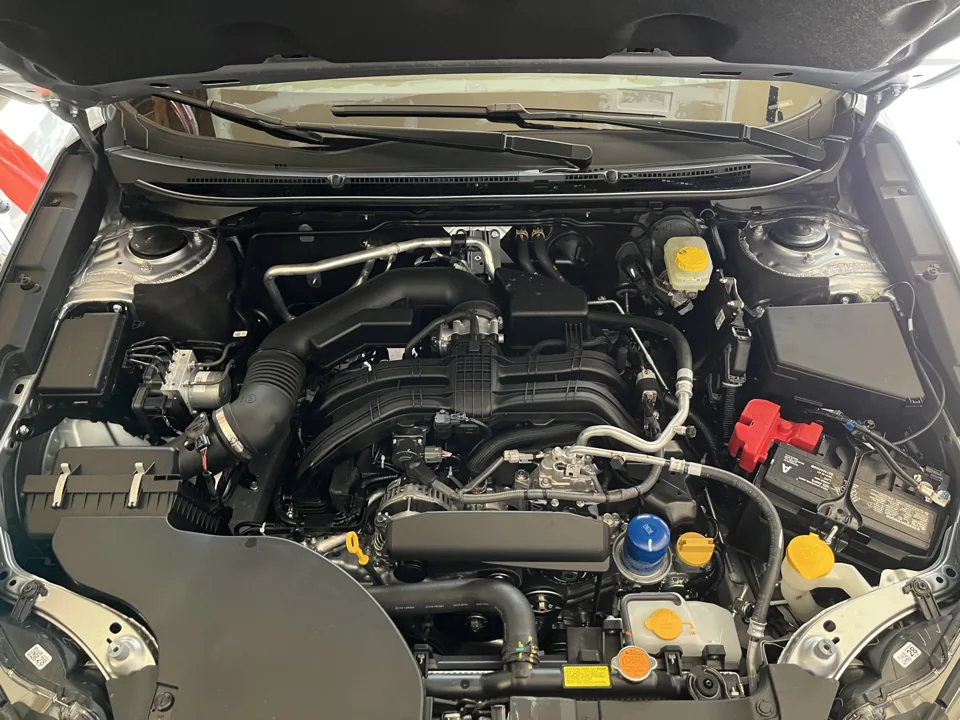
Radiator Repair & Replacement
The radiator transfers heat from engine coolant to outside air. Possible radiator problems include coolant leaks, a cracked plastic tank, a damaged core, corrosion, internal restriction, external blockage, a damaged hose connection or physical impact damage.
Possible symptoms include coolant leaks, overheating, temperature running high, coolant smell and visible coolant residue.
- Coolant leak
- Cracked plastic tank
- Damaged core
- Corrosion
- Internal restriction
- External blockage
- Damaged hose connection
- Impact damage
A leaking or restricted radiator may require replacement, but overheating alone does not prove the radiator is the cause.
Request Radiator Repair Estimate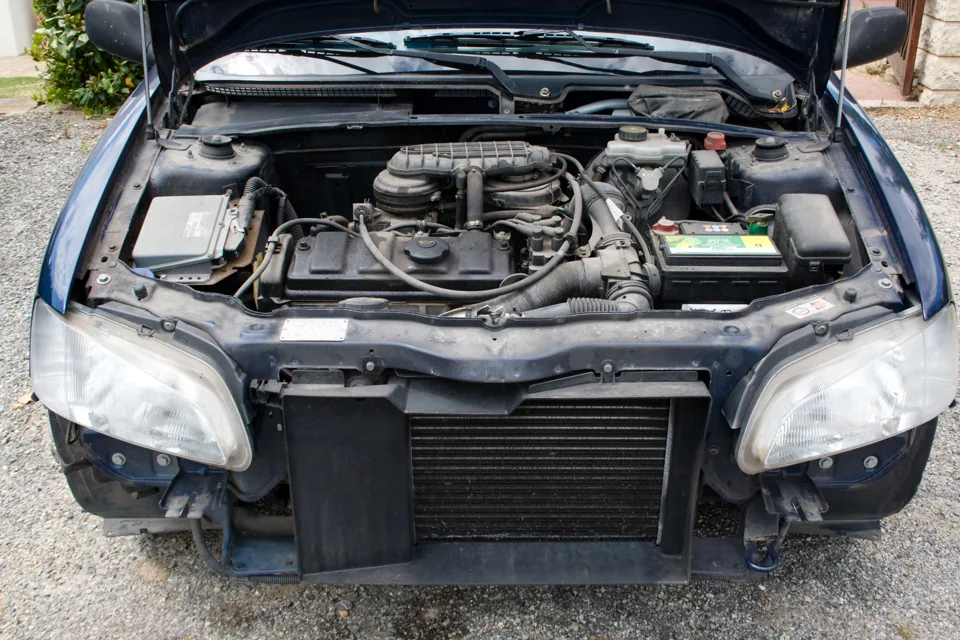

Water Pump Replacement
The water pump circulates coolant through the engine and radiator. Depending on vehicle design, the pump may be belt-driven, timing-belt driven, chain-driven, internally mounted or electrically driven.
Not every failing water pump shows visible leakage first. On certain engines the pump is driven by the timing belt and may involve substantial overlapping labor; recommendations depend on the vehicle and service history — not every water pump requires timing-belt replacement.
- Coolant leak
- Bearing noise
- Pump impeller problem
- Loss of coolant circulation
- Electronic pump failure
- Overheating
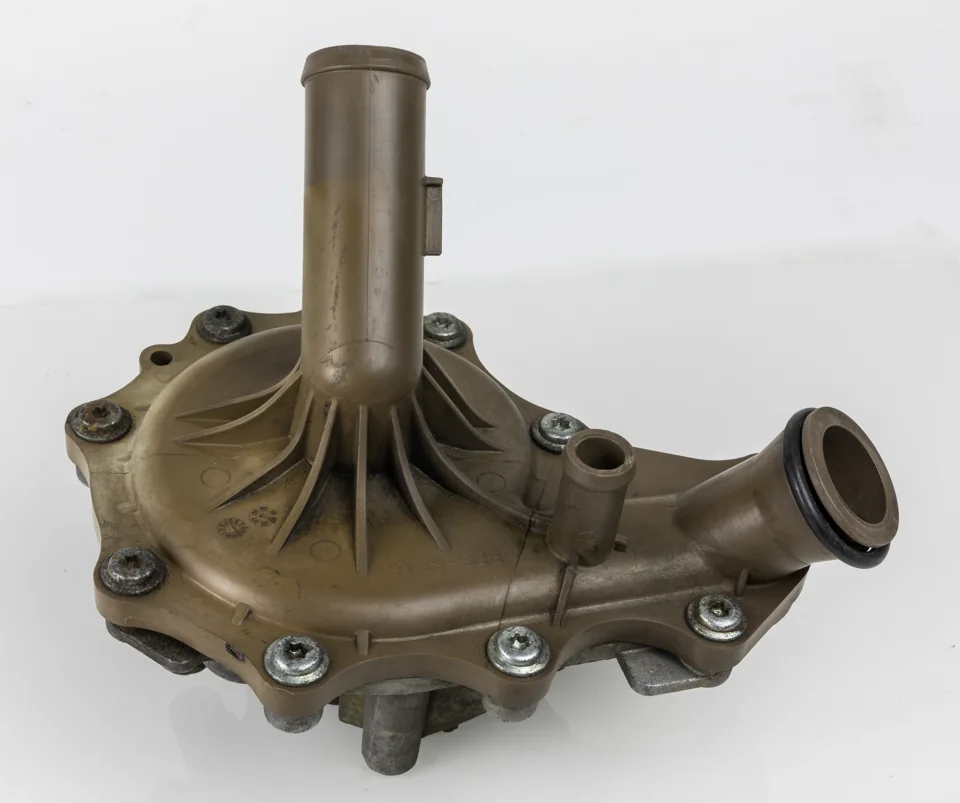

Electric Water Pump Diagnosis
Many newer vehicles use electronically controlled electric coolant pumps. These systems may require scan-tool diagnosis rather than only a visual inspection.
Proline can diagnose supported electronic cooling-system components based on the vehicle and fault.
- Electric motor failure
- Electronic control fault
- Wiring / power issue
- Communication fault
- Pump performance problem
- Related diagnostic trouble codes
- Loss of coolant circulation
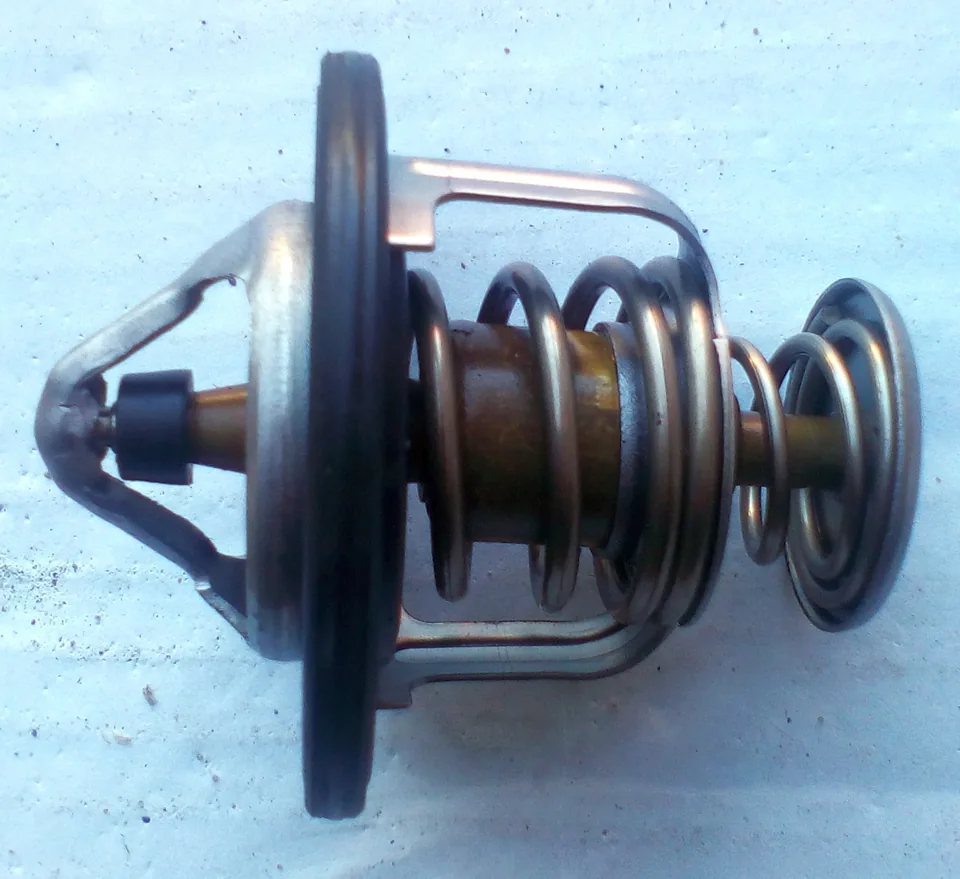
Thermostat Replacement
The thermostat helps regulate coolant flow as the engine reaches operating temperature. Not every overheating vehicle needs a thermostat.
Some modern vehicles use electronically controlled or map-controlled thermostats that interact with the engine-management system. A fault may involve the thermostat itself, its heating element, wiring, the control circuit or other engine-management conditions, and diagnostic scanning may be needed.
- Overheating
- Engine running unusually cool
- Temperature fluctuating
- Slow warm-up
- Coolant-flow problems
- Check-engine light on some vehicles
The cause of the temperature problem should be verified before parts are replaced.

Radiator & Cooling Fan Diagnosis
Cooling fans move air through the radiator and A/C condenser when vehicle speed alone is not enough. A fan problem can cause overheating at idle, temperature rising in traffic, A/C becoming warmer while stopped, or a fan that runs constantly or never turns on.
Possible causes include the fan motor, fan module, relay, fuse, temperature sensor, wiring, engine-control command or other electronic faults.
- Fan motor
- Fan module
- Relay
- Fuse
- Temperature sensor
- Wiring
- Engine-control command
We don't replace the fan assembly without electrical diagnosis.
Why Does My Car Overheat at Idle but Cool Down While Driving?
When a vehicle runs hotter while stopped but cools down once moving, airflow through the radiator is one area that should be evaluated.
- Cooling fan failure
- Fan-control problem
- Insufficient airflow
- Cooling-system performance issue
- Radiator condition
- Other cooling-system faults
The symptom is useful diagnostic information, but it does not identify one guaranteed failed part.
Why Does My Car Overheat While Driving?
Overheating at speed points to different possibilities than overheating at idle.
- Low coolant
- Restricted radiator
- Coolant-flow problem
- Thermostat issue
- Water-pump problem
- Combustion-gas / internal engine concern
- Air trapped in system
- Other cooling-system conditions
Diagnosis should come before parts replacement.
Schedule Cooling System DiagnosisCoolant Leak Diagnosis
Cooling-system leaks can occur in many locations. The goal is to identify the actual source of coolant loss rather than simply topping off the reservoir repeatedly.
- Radiator
- Water pump
- Thermostat housing
- Hoses
- Plastic connectors
- Expansion tank
- Radiator / pressure cap
- Heater hoses
- Heater core
- Coolant outlet / flange
- Oil cooler housing (applicable vehicles)
- Turbo coolant lines (where applicable)
- Engine seals / gaskets
Cooling System Pressure Testing
A pressure test can help locate certain external coolant leaks by pressurizing the cooling system under controlled conditions. Pressure testing does not identify every possible cooling-system problem, so depending on the concern, diagnosis may include:
- Visual inspection
- Cooling-system pressure test
- Cap testing where applicable
- Electronic diagnosis
- Temperature evaluation
- Leak inspection
- Combustion-gas testing where appropriate
Could the Overheating Be an Internal Engine Problem?
Not every coolant loss or overheating concern is caused by an external leak. In some situations, an internal engine problem may need to be considered. No single one of these signs automatically means a blown head gasket.
Don't diagnose a head gasket from symptoms alone. Overheating can cause head-gasket damage, but many ordinary cooling-system problems can also cause the vehicle to run hot. Proline evaluates the cooling system first and determines whether evidence supports additional internal-engine testing.
- Repeated overheating
- Unexplained coolant loss
- Pressure building unusually quickly
- Coolant pushed from reservoir
- Combustion gases in cooling system
- Coolant contamination
- White exhaust vapor after warm-up in certain failures
- Misfire associated with coolant intrusion
Additional testing is needed before determining whether the engine has an internal sealing problem.
Radiator & Heater Hoses
Cooling-system hoses carry hot pressurized coolant between components. Hose condition should be inspected during cooling-system diagnosis and maintenance — age alone doesn't mean every hose needs replacement.
- Harden
- Soften
- Swell
- Crack
- Leak
- Collapse
- Damaged connections
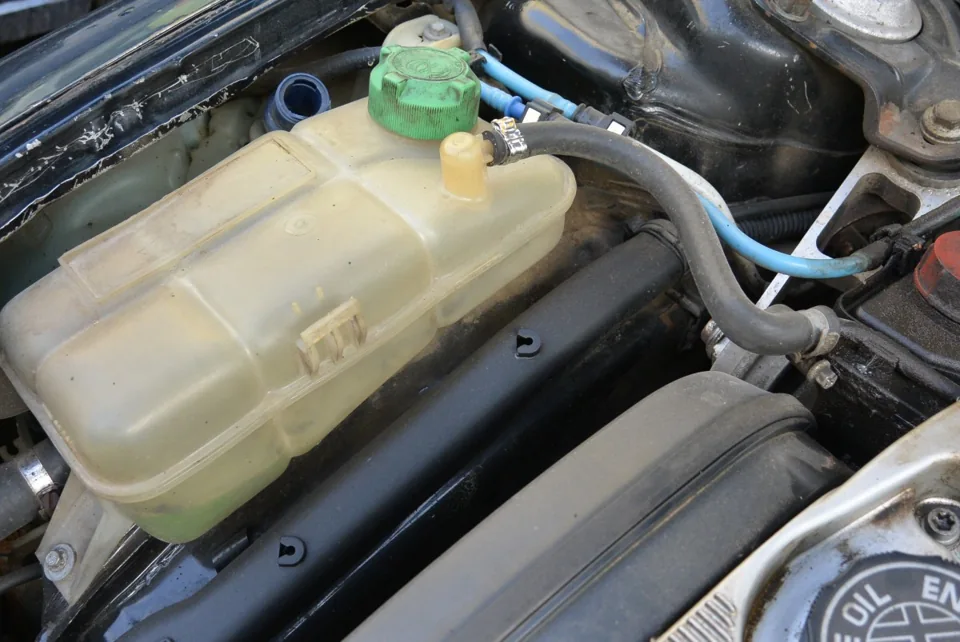
Coolant Reservoir & Expansion Tank Repair
Many modern vehicles use a pressurized expansion tank as an important part of the cooling system. Plastic cooling-system components can become brittle with age and heat exposure.
- Cracked tank
- Leaking seam
- Damaged hose connection
- Pressure-cap issue
- Coolant-level sensor fault
Radiator & Coolant Pressure Caps
The cooling system is designed to operate at a specified pressure. A faulty pressure cap can affect system pressure and coolant recovery, but a cap is not a universal fix for overheating.
The correct cap specification matters for the vehicle.
Heater Core & Coolant Leaks
The heater core uses hot engine coolant to provide cabin heat. Poor cabin heat does not automatically mean the heater core has failed — other cooling-system or HVAC conditions can cause similar symptoms.
- Sweet smell inside vehicle
- Coolant loss
- Windshield fogging
- Damp carpet
- Poor cabin heat
- Coolant leak inside cabin
Engine Coolant Service
Coolant does more than prevent freezing. The correct coolant also helps provide boiling protection, corrosion protection, lubrication for applicable components and proper operation across temperature ranges.
- Boiling protection
- Corrosion protection
- Lubrication for applicable components
- Operation across temperature ranges
Do not mix coolant types based only on color.
The Correct Coolant Specification Matters
Coolant color alone does NOT reliably identify the correct chemistry or specification. Different vehicles may require different coolant chemistry, manufacturer specifications, mixture concentration and service procedures.
Proline uses the appropriate coolant specification for the vehicle rather than selecting coolant based solely on color.
Coolant Drain & Fill vs. Cooling System Flush
Cooling-system service procedures vary by vehicle and condition. Not every vehicle needs a power flush. Proline follows an appropriate vehicle-specific service procedure, which may involve:
- Drain and refill
- Vacuum filling
- Bleeding procedure
- Manufacturer-specific air-purge procedure
- Other approved service methods
Vacuum Filling, Air Removal & Bleeding
Air trapped in some cooling systems can cause poor circulation, inconsistent heater operation or overheating. Depending on the vehicle, vacuum-filling equipment can help evacuate air and refill the system efficiently, though it may not eliminate every air pocket on every vehicle.
After radiator, water-pump, thermostat or hose replacement or coolant service, the system may need an appropriate air-removal procedure. The required procedure depends on the vehicle and may include:
- Bleeder procedures
- Specific fill points
- Electric-pump activation
- Scan-tool procedures
- Warm-up cycles
- Manufacturer-specific steps
Contaminated Coolant
Visual appearance alone should not be the basis for a major diagnosis. If oil and coolant mixing is present, additional diagnosis may be required.
- Rust
- Oil contamination
- Incorrect coolant mixing
- Debris
- Sealer contamination
- Degraded coolant
What About Radiator Stop-Leak Products?
Leak-sealing additives may be marketed as temporary solutions, but they are not a substitute for identifying and repairing the actual source of coolant loss. Some cooling-system repairs may also become more difficult if excessive sealing material is present.
Cooling Systems on Turbocharged Engines
Some turbochargers use engine coolant for temperature management. Coolant leaks or flow problems can affect more than the engine itself on applicable turbocharged vehicles.
Learn About Turbocharger RepairRequest a Cooling System Estimate
There is no universal cooling-system repair price. Pricing varies with the vehicle, failed component, access and labor time, coolant capacity and specification, electronic components, additional damage, and bleeding or calibration requirements.
For an estimate, have ready:
- Year, make and model
- Engine
- VIN when available
- Symptoms
- Any warning messages
- Whether coolant is leaking
Overheating Can Cause Major Engine Damage
Severe or repeated overheating can potentially damage internal engine components — but most overheating incidents do not require a new engine. If testing indicates substantial engine damage, Proline can explain the available repair options.
Engine Replacement ServicesWhat Happens During a Cooling System Diagnosis?
Describe the Symptoms
Tell us when the vehicle overheats, whether coolant is being lost and what warning messages you've seen.
Inspect & Test
Testing depends on the complaint and may involve coolant level, leaks, system pressure, fan operation, temperature behavior and electronic diagnosis.
Identify the Cause
We'll explain whether the concern appears to involve the radiator, thermostat, water pump, fan, leak or another related system.
Review the Repair
You'll receive an estimate before additional approved repairs begin.
Unexpected Cooling System Repair?
Radiator, water pump, electric coolant pump and major coolant-leak repairs can involve substantial labor. Financing options may be available for qualified customers; approval is not guaranteed.
View Financing OptionsWhy Bring Your Cooling System Concern to Proline?
- Cooling System Diagnostics
- Radiator Repair & Replacement
- Water Pumps & Thermostats
- Cooling Fan Diagnosis
- Coolant Leak Testing
- Vehicle-Specific Coolant Service
- Clear Estimate Before Repair
- Local Apple Valley Shop
- Open Saturdays
Radiator & Cooling System Repair in Apple Valley, CA
High Desert temperatures place significant demands on a vehicle's cooling system. If your vehicle is overheating, losing coolant or running hotter than normal, Proline Auto Repair can inspect the automotive engine cooling system and explain what's causing the problem. We serve Apple Valley and the surrounding High Desert.
Proline Auto Repair18737 CA-18, Ste. 1
Apple Valley, CA 92307
Call (760) 977-0414
Monday–Friday: 8:00 AM–5:00 PM · Saturday: 8:00 AM–2:00 PM · Sunday: Closed
Schedule Cooling System DiagnosisCooling System & Radiator FAQs
Why is my car overheating?
Many different cooling-system and engine problems can cause overheating — low coolant, leaks, thermostat, water pump, fans, trapped air or internal engine issues. Diagnosis is necessary to find the actual cause.
Does overheating mean my radiator is bad?
No. Thermostat, water pump, fans, coolant loss and other conditions can produce similar symptoms. The radiator is only one part of the cooling system.
Why does my car overheat only when stopped?
Cooling-fan or airflow issues are common possibilities when a car runs hot at idle, but diagnosis is necessary to confirm the cause.
Why does my car overheat while driving?
Possible causes include coolant circulation problems, low coolant, a restricted radiator, thermostat or water-pump issues, trapped air or an internal engine concern.
Why does my coolant keep disappearing?
Coolant can be lost through external leaks (radiator, hoses, pump, tank, heater core) or internal leaks into the engine. Finding the source is better than repeatedly topping it off.
Can you pressure-test the cooling system?
Yes. Pressure testing may be used as part of coolant-leak diagnosis when appropriate, along with visual, electronic and temperature checks.
How do I know if my water pump is bad?
Possible signs include coolant leaks, bearing noise, circulation problems or electronic faults on electric pumps, depending on the pump design. Not every failing pump leaks first.
How do I know if my thermostat is bad?
Possible signs include overheating, running too cool, fluctuating temperature or slow warm-up, but other problems cause similar symptoms, so proper diagnosis is required.
Why isn't my radiator fan turning on?
Possible causes include the fan motor, relay or module, fuse, wiring, temperature sensor or the engine-control command. Electrical diagnosis should come before replacing the fan.
Does my car need a coolant flush?
Coolant service depends on your vehicle's requirements, service history and coolant condition. Not every vehicle needs a power flush; many use a drain-and-fill or vacuum-fill procedure.
Can I mix different coolant colors?
Coolant should be selected by specification, not color. Do not assume different colors are compatible.
Why is my heater blowing cold when the engine is hot?
Low coolant, trapped air, poor coolant circulation or heater-core and HVAC issues can cause it. It can also indicate significant coolant loss, so have it checked soon.
Can overheating cause a blown head gasket?
Yes, severe overheating can damage internal engine sealing, but overheating does not automatically mean the head gasket has failed. Testing is needed.
Can I drive when the temperature gauge is in the red?
There is no guaranteed safe distance. Continued operation while actively overheating can cause serious engine damage, so the vehicle should not be treated as normal to drive. Call us for guidance.
Vehicle Running Hot or Losing Coolant?
Don't replace the radiator or thermostat based on symptoms alone. Proline Auto Repair can diagnose the cooling system, identify the cause of the overheating or coolant loss and explain the appropriate repair.
Schedule Cooling System Diagnosis Request Repair Estimate Call (760) 977-041418737 CA-18, Ste. 1, Apple Valley, CA 92307