TURBOCHARGER SERVICE • APPLE VALLEY, CA
Turbocharger Repair & Replacement in Apple Valley, CA
Loss of power, boost problems, smoke or unusual turbo noise? Proline Auto Repair diagnoses turbocharged engine problems and provides turbocharger replacement and related repairs for supported vehicles.
Before replacing an expensive turbocharger, we evaluate the system to determine whether the turbo itself—or another related component—is causing the problem.
Schedule Turbo Diagnosis Call (760) 977-0414- Turbo Diagnostics
- Boost Leak Testing
- Wastegate Diagnosis
- Turbocharger Replacement
Diagnose the turbo system before replacing the turbo.
Smoke, low boost, whistling and loss of power can also involve:
- Boost / charge-air leak
- Intercooler leak
- Wastegate or actuator fault
- Boost-control solenoid
- MAP / boost-pressure sensor
- MAF-related concern
- PCV / crankcase pressure
- Oil supply or return restriction
- Exhaust leak or restriction
- Engine mechanical problem
- Incorrect oil level
- Other engine-management faults
Signs Your Turbo System May Need Attention
- Loss of power
- Low boost
- Underboost fault code
- Overboost fault code
- Blue or gray exhaust smoke
- Oil consumption
- Oil around turbocharger
- Whining or siren-like noise
- Rattling near turbo / wastegate
- Poor acceleration
- Check-engine light
- Electronic wastegate fault
- Boost comes and goes
- Reduced-power mode
These symptoms can have several causes. Proper diagnosis is needed before replacing the turbocharger.
Experiencing Turbo Symptoms?
Schedule Turbo DiagnosisWhat Does a Turbocharger Do?
A turbocharger uses exhaust energy to spin a turbine connected to a compressor. The compressor forces additional air into the engine, allowing it to produce more power from a smaller displacement.
Modern turbo systems are integrated with the engine-management system, so proper diagnosis may involve both mechanical and electronic testing. Depending on the design, the system may include:
- Turbocharger assembly
- Compressor and turbine housings
- Center bearing / rotating assembly
- Wastegate and wastegate actuator
- Boost-control components
- Intercooler and charge-air piping
- Oil supply and return lines
- Coolant lines on applicable turbos
- Sensors and electronic controls
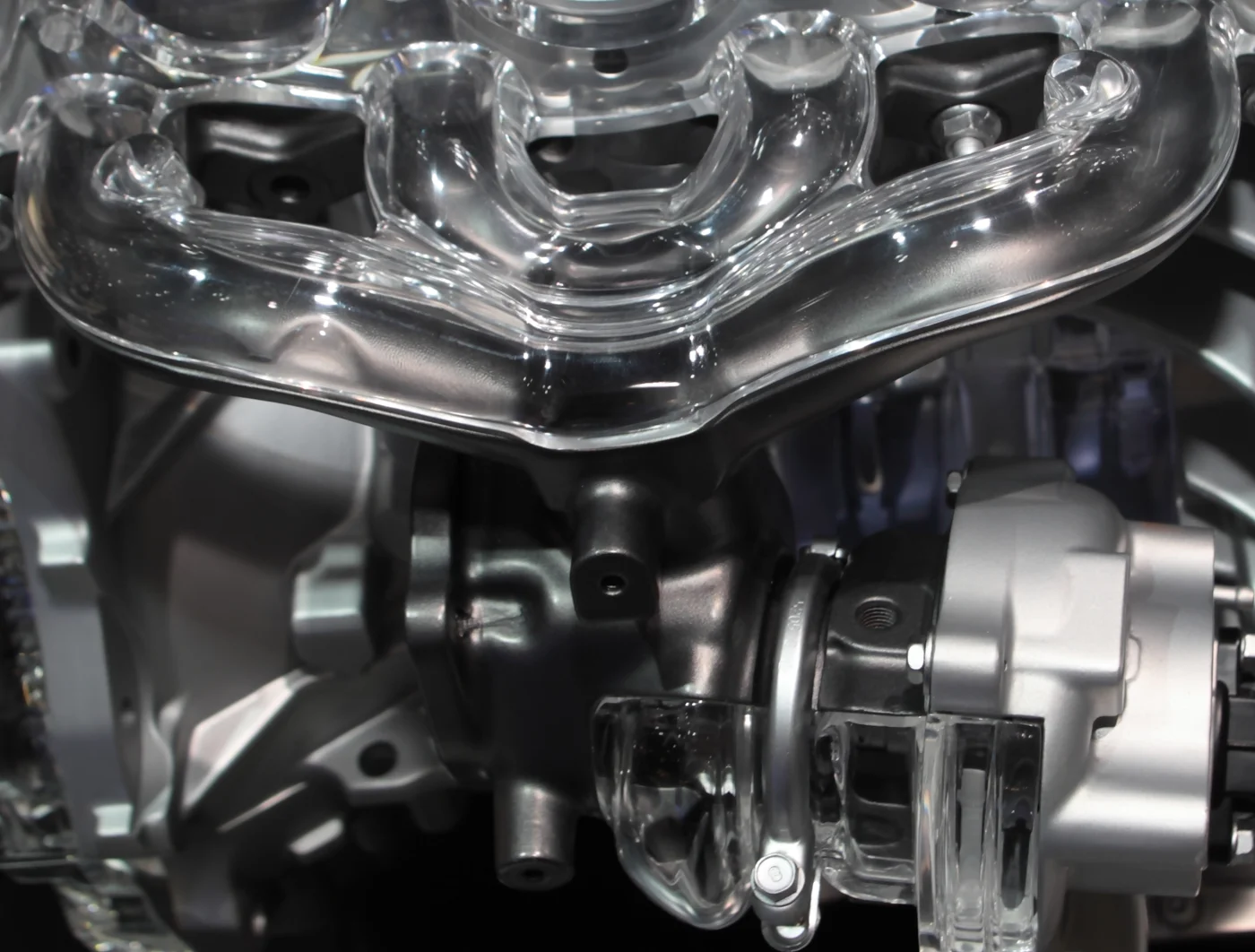
Underboost Code? Don't Replace the Turbo Yet.
A low-boost or underboost fault does not automatically mean the turbocharger is defective. A split charge-air hose, intercooler leak or loose connection can imitate turbo failure.
Proline can test the system and identify the likely cause before recommending expensive parts. Possible causes include:
- Split charge-air hose
- Intercooler leak
- Loose boost connection
- Wastegate stuck open
- Wastegate actuator fault
- Boost-control problem
- Sensor issue
- Exhaust leak
- Turbocharger wear
- Other engine-management conditions
Diagnose the turbo system before replacing the turbo.
Schedule Turbo DiagnosisBoost & Charge-Air Leak Testing
Pressurized air travels from the turbocharger through charge-air piping and typically through an intercooler before entering the engine. A leak anywhere in this system can reduce boost pressure and performance.
Low boost, poor acceleration, whistling, whooshing under acceleration, underboost codes or oil residue at a connection may point to a charge-air leak. Depending on the vehicle and complaint, testing may focus on:
- Charge-air hoses
- Intercooler
- Clamps and connections
- Plastic pipes
- Seals / O-rings
- Intake connections
A boost leak can imitate a failing turbocharger.
Intercooler & Charge-Air System
The intercooler cools compressed air before it enters the engine. Damage or leakage may reduce boost and engine performance.
- Cracked intercooler
- Damaged end tank
- Leaking connections
- Loose clamps
- Damaged charge piping
- Oil accumulation
A small amount of oil residue may be present in some turbocharged intake systems, while excessive oil can indicate a problem that requires diagnosis.
Turbo Oil Leak or Smoke?
Turbochargers depend on engine oil for lubrication. Blue or gray exhaust smoke, oil consumption, oil in compressor piping, oil around turbo connections, oil from the exhaust side or a burning-oil smell can have several causes.
These symptoms do not automatically prove that the turbo's oil-control components have failed. Possible contributing causes include:
- Turbocharger bearing / sealing problem
- Restricted oil return
- Excessive crankcase pressure
- PCV system problem
- Engine blow-by
- Incorrect oil level
- Oil supply problem
- Engine mechanical condition
The cause should be identified before replacing the turbocharger.
Crankcase Pressure Can Affect Turbo Oil Control
A turbocharger's oil must be able to drain properly back into the engine. Excessive crankcase pressure can interfere with drainage and may contribute to oil leakage through the turbocharger system.
When appropriate, Proline can evaluate related crankcase-ventilation concerns before condemning the turbo. Replacing it without correcting the root cause could allow the same problem to return.
- Restricted PCV system
- PCV valve problem
- Crankcase ventilation restriction
- Excessive engine blow-by
- Other engine mechanical conditions
Turbo Oil Supply & Return Lines
Turbochargers operate at very high speeds and depend on proper oil supply and drainage. Oil-system problems may include:
- Restricted oil feed line
- Carbon buildup
- Damaged oil line
- Leaking supply line
- Restricted oil drain
- Damaged return line
- Contaminated oil
- Insufficient oil pressure
When a turbocharger is replaced, related oil supply and return components should be inspected and serviced as appropriate for the application and failure—not automatically replaced on every vehicle.
Electronic Wastegate & Turbo Actuator Diagnosis
The wastegate controls how much exhaust energy drives the turbocharger. Many newer vehicles use an electronic wastegate actuator controlled by the engine computer.
Low boost, overboost, intermittent boost, reduced power, check-engine lights, wastegate-related fault codes and rattling may involve the actuator or other components.
- Wastegate sticking
- Actuator failure
- Position-sensor fault
- Internal gear wear
- Wiring issue
- Calibration problem
- Wastegate rod / linkage issue
- Turbo mechanical fault
A wastegate fault does not automatically require a complete turbocharger. Diagnosis should identify whether the actuator, linkage, turbocharger or control system is responsible.
Schedule Turbo DiagnosisVacuum & Pressure-Controlled Wastegates
Some turbo systems use vacuum or pressure-actuated controls rather than electronic actuators. Service requirements vary by vehicle.
- Vacuum lines
- Control solenoid
- Actuator diaphragm
- Wastegate linkage
- Boost-control plumbing
Does a New Turbo or Wastegate Need Calibration?
On some vehicles, electronic turbocharger or wastegate components may require additional setup after replacement. Not every turbo requires programming.
- Initialization
- Calibration
- Actuator learning
- Position relearn
- Scan-tool procedure
- Manufacturer-specific setup
Proline determines the applicable electronic setup requirements for the specific vehicle before completing the repair.
Turbocharger Bearing & Shaft Problems
The turbocharger shaft rotates at extremely high speed and depends on proper lubrication. Internal wear may lead to abnormal shaft movement, compressor or turbine contact, whining, siren-like noise, reduced boost, oil leakage or complete turbo failure.
Evaluating internal wear requires the right inspection procedure and safe access to the system. Leave inspection of hot or moving turbo components to a technician.
Why Is My Turbo Whistling or Making Noise?
Some turbo noise is normal. Loud whining, a siren-like sound, grinding, rattling, metallic contact or a loud air-escape whoosh may need investigation.
- Boost leak
- Wastegate concern
- Turbocharger bearing wear
- Loose piping
- Exhaust leak
- Other engine components
Noise alone should not be used to condemn the turbocharger.
Turbocharger Replacement
If diagnosis confirms that the turbocharger itself has failed and replacement is appropriate for a supported vehicle, service may involve the following. The exact work depends on the vehicle, failure and manufacturer procedure.
- Removing the failed turbocharger
- Installing the replacement turbocharger
- Inspecting applicable oil supply and return lines
- Inspecting coolant lines where applicable
- Replacing required gaskets and seals
- Inspecting charge-air connections
- Checking related boost components
- Changing engine oil / filter when required
- Priming or pre-lubricating where applicable
- Filling / bleeding coolant where applicable
- Clearing relevant diagnostic faults
- Required electronic calibration / relearn
- Verifying boost operation
- Checking for leaks
- Road testing when appropriate
Why Did the Turbo Fail?
Replacing the turbocharger without understanding why it failed can put the replacement turbo at risk.
When appropriate, Proline evaluates related systems so the replacement turbo is not exposed to the same unresolved condition.
- Oil starvation
- Contaminated oil
- Restricted oil feed
- Restricted oil return
- PCV / crankcase pressure issue
- Engine blow-by
- Foreign-object damage
- Overheating
- Boost-control fault
- Cooling-system concern on applicable designs
- Other engine mechanical problems
Correct Engine Oil Is Especially Important on Turbocharged Engines
Turbochargers place significant heat and load demands on engine oil. Correct viscosity, manufacturer specification, oil level and service interval are important for lubrication and durability.
Proline uses vehicle-specific oil requirements rather than a one-size-fits-all oil recommendation.
Oil Change ServiceWater-Cooled Turbochargers
Some turbochargers use engine coolant in addition to oil for temperature management. On these systems, replacement may involve coolant connections, coolant refill, cooling-system bleeding and leak inspection.
Not every turbocharger is water-cooled; service follows the specific vehicle design.
What Happens if a Turbo Has Been Burning Oil?
If a turbocharger has allowed significant oil into the intake or exhaust system, additional components may need inspection.
- Charge-air piping
- Intercooler
- Exhaust system
- Oxygen sensors
- Catalytic converter
- Spark plugs
- Engine oil level
These parts do not automatically need replacement. Additional service depends on the amount of contamination and the specific vehicle.
Oil in the Intercooler or Charge Pipes
A turbo or crankcase-ventilation problem can sometimes allow oil to accumulate in charge-air components. Significant contamination may require inspection and appropriate cleaning or service before the vehicle is returned to operation.
A small amount of oil residue is not automatically abnormal. Diagnosis should establish the source and extent of contamination.
Replacement Turbocharger Options
Available choices depend on the vehicle and supplier. Availability, included components and warranty vary by application; the quoted option and its applicable terms are explained before approval.
- New turbocharger
- OEM turbocharger where available
- Quality aftermarket turbocharger
- Professionally remanufactured turbocharger
Remanufactured parts are not new, and OEM parts are only supplied when included in the approved quote.
Can Turbocharger Seals Be Replaced?
Turbocharger oil-control problems are often more complicated than a simple replaceable external seal. Internal repair can require specialized disassembly, inspection, balancing and rebuilding procedures.
For many applications, a complete replacement turbocharger or professionally remanufactured assembly may be appropriate. This service focuses on diagnosis, related repairs and sourcing an appropriate replacement—not in-house precision turbo rebuilding.
Vehicle-Specific, OEM-Style Turbo Service
Turbocharger designs and service requirements vary significantly by vehicle. Contact Proline with your vehicle details so we can confirm support for your application.
A turbocharger is driven by exhaust energy; a supercharger is mechanically or electrically driven depending on design. This page focuses on turbocharged vehicles and OEM-style repair, not performance tuning, racing upgrades or turbo conversions.
How Much Does Turbocharger Replacement Cost?
There is no universal turbocharger price. An accurate estimate depends on the application and the diagnostic findings.
- Vehicle and engine
- Single vs. twin-turbo configuration
- Turbocharger design and electronic actuator
- Part availability
- Labor time
- Oil / coolant lines
- Related damage
- Calibration requirements
- OEM, aftermarket or remanufactured part
For an estimate, provide your year, make, model, engine, VIN, symptoms and diagnostic codes if available.
Request a Turbocharger EstimateWhat Happens During a Turbo Diagnosis?
Tell Us What You're Experiencing
We'll ask about smoke, noises, warning lights, power loss and when the symptom occurs.
Diagnose the Turbo System
Testing depends on the vehicle and complaint and may involve boost, intake, electrical, oil or mechanical checks.
Identify the Cause
We'll determine whether the concern appears to involve the turbocharger or another related component.
Review the Repair
We'll explain the findings and provide an estimate before additional approved repairs are performed.
Unexpected Turbo Repair?
Turbocharger replacement can be a substantial repair. Financing options may be available for qualified customers.
View Financing OptionsWhy Bring Your Turbo Concern to Proline?
- Turbo System Diagnostics
- Boost Leak Inspection
- Electronic Wastegate Diagnosis
- Turbocharger Replacement
- Root-Cause Evaluation
- Clear Estimate Before Repair
- Local Apple Valley Shop
- Open Saturdays
Turbocharger Repair in Apple Valley, CA
If your turbocharged vehicle has lost power, is producing smoke, has a boost-related warning light or is making unusual turbo noises, Proline Auto Repair can inspect the system and determine what's causing the problem. We serve Apple Valley and the surrounding High Desert.
Proline Auto Repair18737 CA-18, Ste. 1
Apple Valley, CA 92307
Call (760) 977-0414
Monday–Friday: 8:00 AM–5:00 PM · Saturday: 8:00 AM–2:00 PM · Sunday: Closed
Schedule Turbo DiagnosisTurbocharger Repair FAQs
What are the signs of a failing turbocharger?
Possible signs include low boost, unusual noise, smoke, oil consumption and warning lights. Related systems can cause the same symptoms, so diagnosis is required.
Does an underboost code mean I need a new turbo?
No. Boost leaks, wastegate or control issues, sensors, exhaust leaks and other conditions can cause underboost. Testing comes before replacement.
Can a boost leak cause low power?
Yes. A leak in the charge-air system can reduce boost pressure and engine performance.
Why is my turbo leaking oil?
Possible causes include turbo wear, restricted oil drainage, excessive crankcase pressure, PCV problems or engine conditions. Oil leakage does not automatically prove an internal turbo failure.
Can a bad PCV system cause turbo oil problems?
Yes. Excessive crankcase pressure or poor ventilation can interfere with oil drainage and oil control in some turbo systems.
Why is my turbo making a whining sound?
Boost leaks, bearing wear, exhaust leaks and other components can produce unusual sounds. Some turbo noise is normal; a new or excessive sound should be diagnosed.
What does the wastegate do?
It helps control boost by managing how much exhaust flows through or around the turbocharger turbine.
Can an electronic wastegate fail?
Yes. Actuator, position-sensor, electrical or mechanical faults can occur depending on the design. A wastegate fault does not automatically require replacement of the entire turbocharger.
Does a new turbo need programming?
Sometimes. Certain electronic wastegate or turbo systems require calibration, initialization or relearn procedures. Requirements vary by vehicle.
Can you replace a turbocharger?
Yes. Proline provides turbocharger replacement for supported vehicle applications after confirming that replacement is appropriate. Call with your vehicle details to confirm support.
Can you just replace turbo seals?
Internal turbo repairs can require specialized rebuilding and balancing. A complete replacement or professionally remanufactured assembly may be more appropriate for the application.
How much does turbo replacement cost?
Pricing depends on the vehicle, turbocharger type, labor, parts, related oil or coolant lines, calibration and any other required repairs. Call with your vehicle details or schedule diagnosis for an estimate.
Turbo Problem or Something Else?
Low boost, smoke and turbo-related fault codes do not automatically mean the turbocharger needs replacement. Proline Auto Repair can diagnose the system, identify the likely cause and explain the appropriate repair before additional work begins.
Schedule Turbo Diagnosis Request Turbo Estimate Call (760) 977-041418737 CA-18, Ste. 1, Apple Valley, CA 92307